


15 Jun Celebrating Midsummer in Europe – A Magical Season of Light and Tradition
As the longest days of the year arrive, much of Europe comes alive with one of its most cherished celebrations: Midsummer. Rooted in ancient traditions and closely tied to the summer solstice, Midsummer is a time when communities gather to embrace nature, enjoy festive meals, and make the most of the seemingly endless daylight.
A Celebration of the Summer Solstice
Midsummer marks the period around the summer solstice, usually occurring between June 20 and June 24. For centuries, people across Europe have viewed this time as a symbol of abundance, fertility, and renewal. While customs vary from country to country, many celebrations share common themes: bonfires, flowers, music, dancing, and outdoor feasts.
Sweden: Dancing Around the Maypole
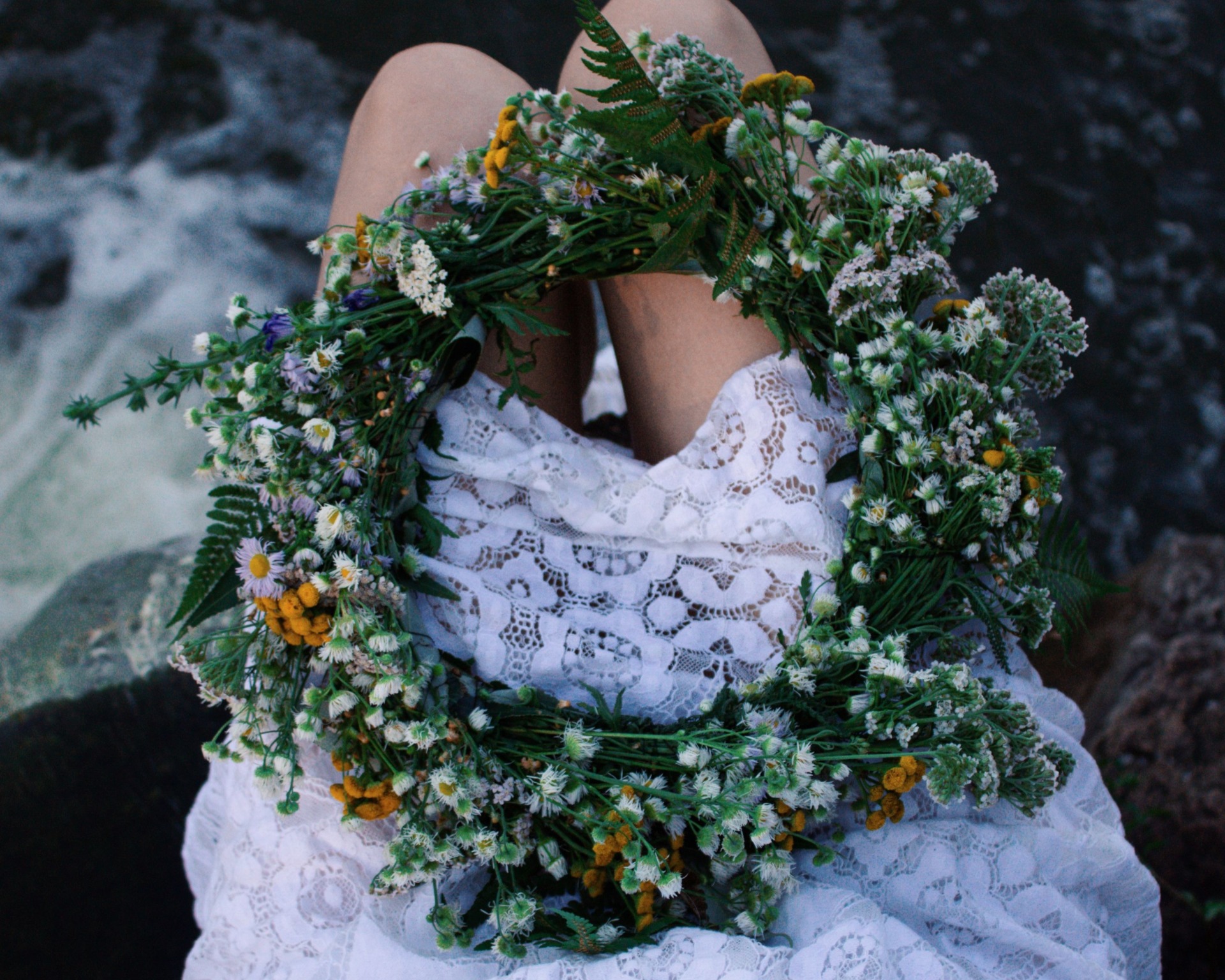
Perhaps nowhere is Midsummer celebrated more enthusiastically than in Sweden. Families and friends gather in the countryside to decorate maypoles with greenery and flowers before dancing traditional songs around them. Tables are filled with pickled herring, new potatoes, strawberries, and snaps, while flower crowns are worn by both children and adults. With daylight stretching late into the evening, festivities often continue well into the night.
Finland: Bonfires and Lakeside Retreats
In Finland, Juhannus, or Midsummer, is one of the most important holidays of the year. Many Finns head to summer cottages by the lake, where they enjoy sauna sessions, swimming, and barbecues with family and friends. Large bonfires, known as kokko, are lit to ward off evil spirits and celebrate the height of summer. The peaceful atmosphere and connection to nature make Finnish Midsummer especially memorable.
Denmark and Norway: Songs and Bonfires
Across Denmark and Norway, Midsummer traditions include community gatherings and bonfires along beaches and lakeshores. In Denmark, Saint John’s Eve is celebrated with songs and speeches, while Norwegians mark Sankthansaften with festive meals and outdoor activities. The glowing fires and bright summer evenings create a magical setting for people of all ages.
Estonia and Latvia: Ancient Customs Endure
In the Baltic countries, Midsummer remains deeply connected to ancient folklore. Estonians celebrate Jaanipäev, while Latvians observe Jāņi with folk songs, flower garlands, and traditional foods. Staying awake through the shortest night of the year is considered lucky, and many customs revolve around celebrating nature and preserving cultural heritage.
Spain and Southern Europe: Fire and Festivity
Further south, countries such as Spain celebrate the eve of Saint John with spectacular beach bonfires and fireworks. Coastal towns become lively gathering places where people enjoy music, dancing, and midnight swims. These festivities blend religious traditions with ancient customs honoring the sun and the arrival of summer.
Why Midsummer Continues to Captivate
In today’s fast-paced world, Midsummer offers something timeless: an opportunity to slow down and reconnect with family, friends, and the natural world. Whether spent dancing around a maypole in Sweden, relaxing beside a Finnish lake, or watching bonfires flicker along a Spanish beach, Midsummer celebrations highlight the unique cultural traditions that make Europe so diverse and fascinating.
As daylight lingers and communities come together, Midsummer reminds us that some of life’s greatest joys are found in simple moments shared under the warmth of the summer sun.