


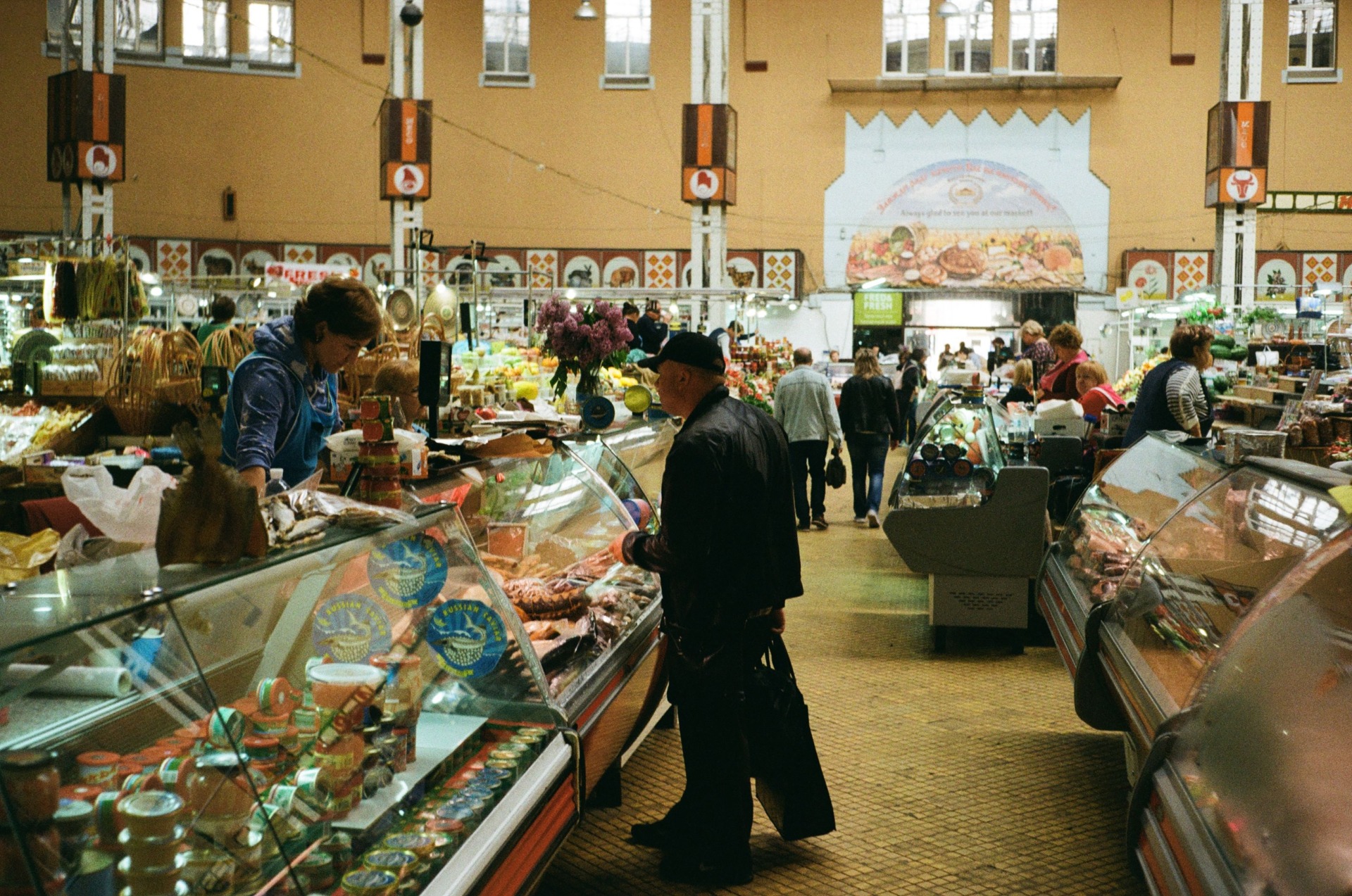
06 Jul Grocery Store Tourism: The Unexpected Way to Experience Europe Like a Local
When planning a trip to Europe, most travelers create a list of famous landmarks, museums, cafés, and scenic viewpoints. While these are all worth visiting, there’s one experience that rarely makes the itinerary—but often becomes one of the most memorable.
It’s called grocery store tourism.
No, it’s not about spending your vacation buying milk and bread. It’s about stepping into a local supermarket to discover what everyday life looks, tastes, and feels like in another country.
What Is Grocery Store Tourism?
Grocery store tourism is the practice of visiting local supermarkets while traveling to explore regional foods, snacks, drinks, and products that locals buy every day.
Unlike souvenir shops, grocery stores offer an authentic glimpse into local culture. The products on the shelves reflect a country’s traditions, climate, agricultural heritage, and eating habits.
In just 20 minutes, you can learn a surprising amount about a destination.
Why Travelers Love It
It’s Authentic
Supermarkets aren’t designed for tourists—they’re designed for locals. That means you’ll discover foods and brands that people actually eat, not products created specifically for visitors.
It’s Budget-Friendly
Traveling around Europe doesn’t have to be expensive.
Instead of eating every meal at restaurants, you can pick up fresh bread, local cheese, fruit, cured meats, and pastries for a delicious picnic in a city park or by a lake. You’ll often spend less while enjoying a meal that feels just as memorable.
You Discover Regional Specialties
Every European country has products that are difficult—or impossible—to find elsewhere.
In Finland, you might come across cloudberry jam, rye bread, oat-based products, and salty licorice.
In Italy, supermarket shelves are filled with regional pasta shapes, olive oils, cheeses, and sauces that rarely make it overseas.
Spain offers an incredible selection of olives, jamón, canned seafood, and local snacks, while France is famous for its cheese, butter, yogurt, pastries, and desserts.
Even neighboring countries can have surprisingly different grocery selections.
The Best Things to Buy
Not sure where to start? Here are a few ideas:
- Regional snacks
- Local chocolates and sweets
- Traditional cookies and biscuits
- Seasonal fruit
- Fresh bakery items
- Cheese and cured meats
- Local soft drinks
- Coffee or tea from local brands
- Picnic ingredients
- Spice mixes and sauces unique to the region
These purchases are often much cheaper than buying similar products at airports or tourist shops.
Grocery Stores Are Cultural Experiences
Pay attention to more than just the food.
Notice how people shop. Are customers buying fresh bread daily? Are there huge cheese counters? Do people bag their own groceries? Are there vending machines for bottles or recycling stations?
These small observations provide insight into everyday life that guidebooks rarely mention.
You’ll also notice how products reflect local traditions. Mediterranean supermarkets often dedicate large sections to olive oil and seafood, while Nordic stores may have extensive dairy products, berries, rye breads, and frozen fish.
Make It Part of Every Trip
A grocery store visit doesn’t require extra planning.
Whether you’ve just arrived in a new city or are looking for lunch on a sightseeing day, spending 20–30 minutes exploring a local supermarket can become one of the highlights of your trip.
Pick up a few unfamiliar snacks, build a picnic with local ingredients, and enjoy it in a nearby park, along a river, or at the beach.
It’s affordable, relaxing, and gives you a genuine taste of the destination.
Final Thoughts
Travel is about more than checking famous landmarks off a list.
Some of the best memories come from everyday moments—choosing pastries in a neighborhood bakery, discovering a favorite chocolate you’ve never seen before, or wandering through supermarket aisles filled with products that tell the story of a place.
The next time you visit Europe, don’t overlook the local grocery store.
You might leave with a reusable shopping bag full of snacks, a few unique souvenirs, and a much deeper appreciation for the country’s culture.
Sometimes, the most authentic travel experiences are hiding between the bread aisle and the cheese counter.