03 Jan London
London
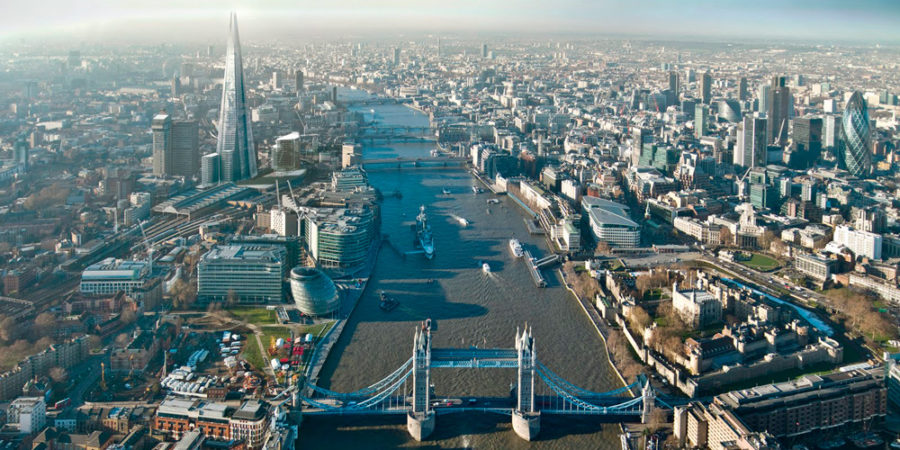
The legendary British metropolis of London lies along the Thames river, in south eastern England. Easily one of the most famous cities on this planet, London has over 8 million residents and it is the largest metropolis in western Europe. It is an energetic, lively financial center.
The first large settlements in the area were made by the Romans in 43 CE after their invasion of the island. But London was to grow into something far greater over a millennium later. No city has ever been the center of the world like London was when Great Britain was an empire where the sun never set. While the size of the empire may have declined, London shines as bright as ever, and it should be a surprise to no one that this metropolis is filled with things to see and do.
Areas
London consists of 32 boroughs and the City of London. Some of the most important boroughs for tourists are:
- Leicester Square. The area around Leicester Square is generally known as West End. It contains sights like the National Gallery, Piccadilly Circus and Trafalgar square.
- Notting Hill-North Kensington. This multicultural borough features a lively marketplace and a carnival area.
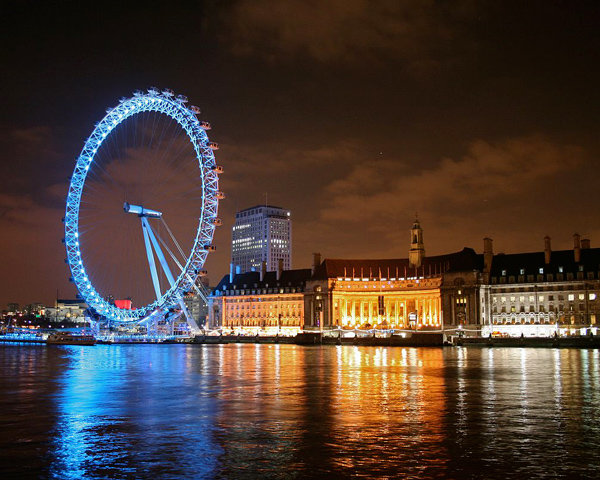
- The South Bank lies to the south of the Thames and features several theaters and the London Eye Ferris wheel.
[adinserter block=”14″]
Sights
Tower Of London (UNESCO)
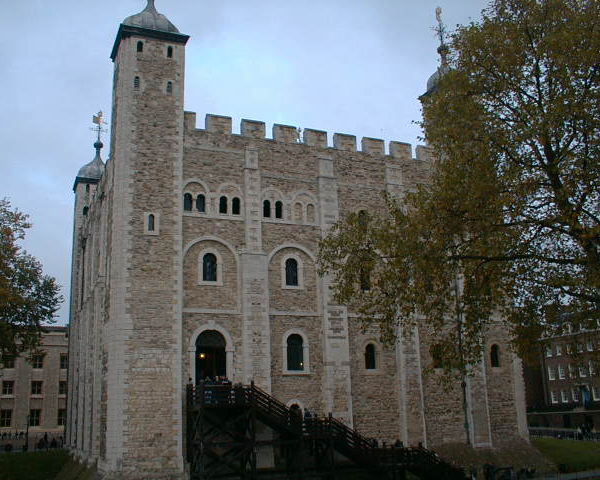
Built between 1078-1399 on the northern bank of the Thames, the Tower of London is a castle complex and one of the most popular attractions in England. It has served as both a prison and a royal residence. It currently houses the Crown Jewels of England. The tower is guarded by the famous Yeoman Warders, also known as “beefeaters”. The White Tower, a part of the castle, is a must see for visitors interested in history.
The Kew Gardens (UNESCO)
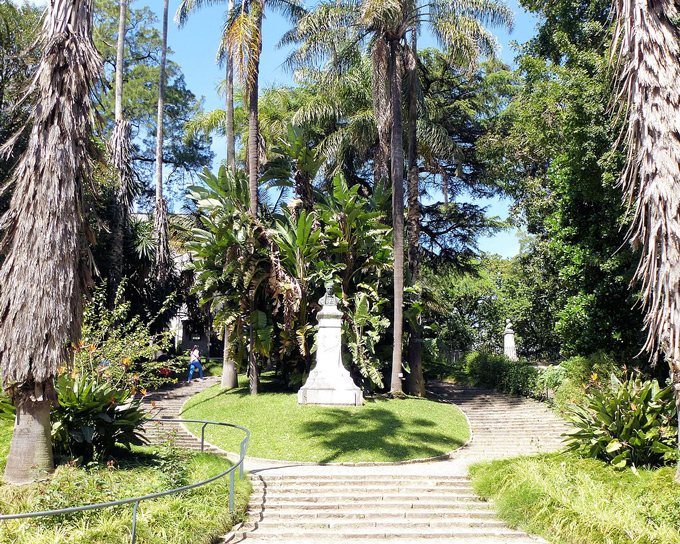
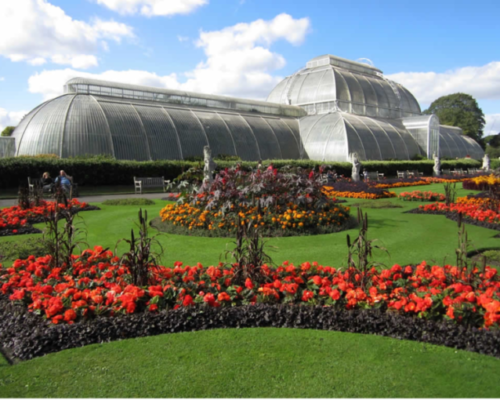
This absolutely gorgeous area in London is one of the city’s main tourist attractions. The area is a mix of fantastic buildings, greenhouses filled with exotic plants, bridges, skybridges, gardens etc. Main attractions include the Palm House, a stylish building with an interior walkway at a height of 9 meters, allowing visitors to witness the crowns of the palm trees up close. Another one is the exciting looking Alpine House with its changing collection of high-altitude plants. Visitors should also take a stroll across the treetop walkway. The 200-meter structure sways in the wind and lets visitors come up close to the local trees. The Sackler Crossing is a bridge that connects the vast gardens. The area is filled with things to see, with its many plant houses, Queen Charlotte’s Cottage, the Kew Palace, the Orangery restaurant, galleries, museums and even a pagoda, built in 1762. There is still a lot more to see in the gardens that hasn’t been mentioned, and the establishment even takes part in conservation efforts to keep endangered plant species alive. The Kew Gardens are a must-see on a trip to London and they became a UNESCO World Heritage Site in 2003.
Camden Passage
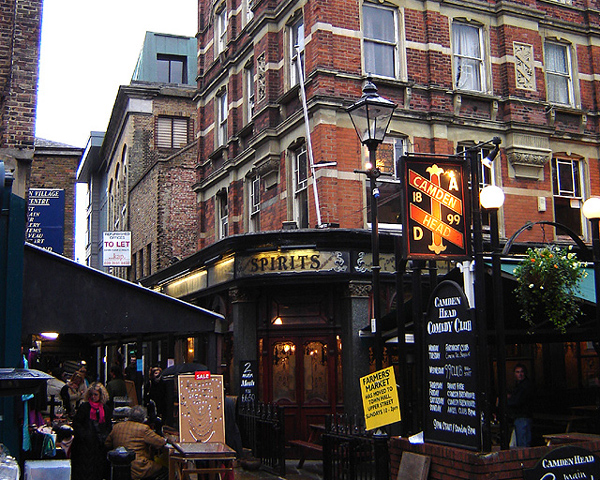
This pedestrian street in Islington is famous for its antique stores, and during Wednesday, Saturday and Sunday mornings they even hold an antique market. The well-known Camden Head pub, home to many concerts and comedy nights, also lies on this street.
[adinserter block=”4″]
The London Eye
This gigantic Ferris wheel, south of the Thames, was completed in 2000. Nowadays this 135 meter (443 feet) tall structure is a significant attraction. Not that weird, considering it is the largest of its kind in all of Europe and offers a magnificent view over a majestic metropolis. Originally it was only meant to be temporary, which might be hard to imagine now that it is the most visited paid attraction in all of Great Britain with over 3 million visitors each year.
The Shard
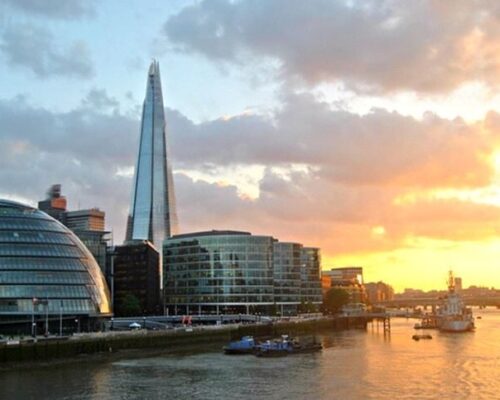
The Shard is easily one of Europe’s most famous skyscrapers. Designed by the Italian architect Renzo Piano, the Shard is a beautiful display of modern architecture, inspired by things like the masts of sailboats and church steeples of old. Towering to a height of 309 meters, it is currently the tallest building in the EU. Although over seventy of its 95 floors are reserved for living, the building features an observation platform on the 72nd floor, offering visitors a great view over the city of London. The glorious glass covered skyscraper also features restaurants and hotel rooms.
Soho
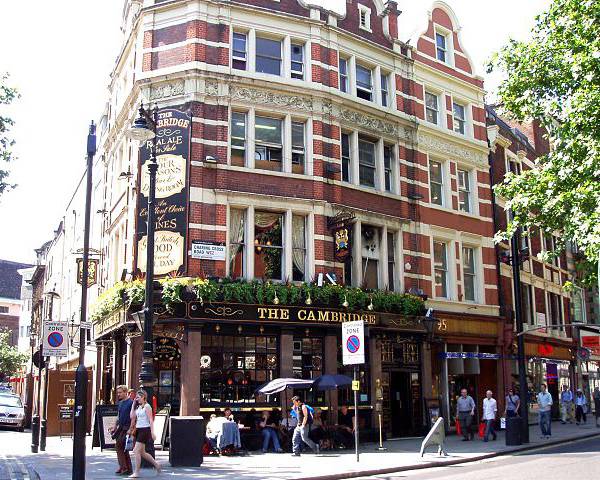
This part of the West End is known as a trendy area with a lot of film industry. It has plenty of top-class restaurants, pubs, sex stores and jazz places. One of the highlights is the Old Compton Street’s gay village. St. Anne’s Church has also become a famous local landmark. If you are visiting Soho, why not take a trip into the nearby China Town as well.
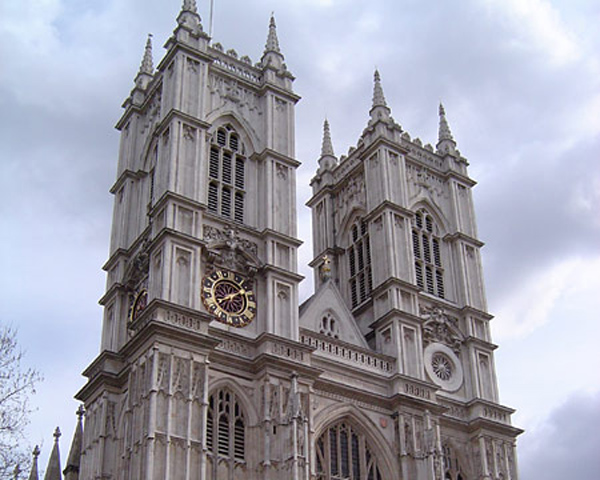
Westminster Abbey
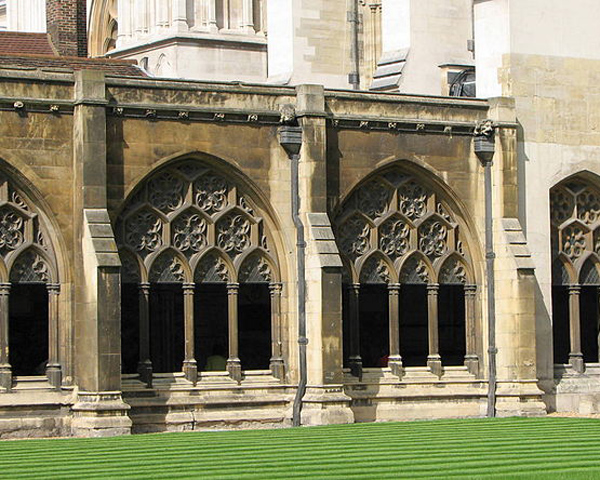
This Gothic abbey in the Westminster borough is one of the most culturally significant sights in England. It has the grave of Sir Isaac Newton and serves the royalty both during coronations and funerals. According to popular belief a church was built on the site in the 7th century, but the foundations of the modern abbey were layed in 1245 by order of King Henry III. Especially the chapter house is worth seeing, built between 1245 and 1253, at the same time as the eastern parts of the abbey. It was restored to its former glory by Sir George Gilbert Scott in 1872.
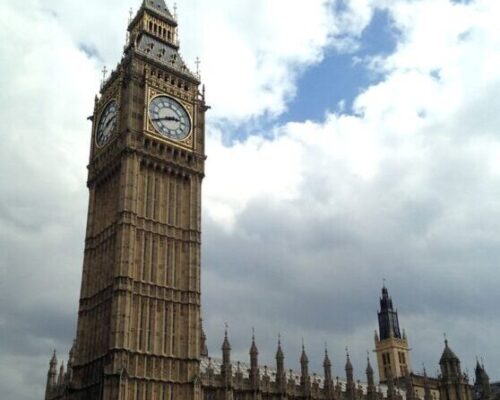
Big Ben
The Big Ben clocktower, built around the middle of the 19th century, is a symbol of Great Britain. While the tower may have changed names over time and the large bell in the clocktower is officially the Great BelI, both are known by their unofficial name, The Big Ben. The clocktower is a part of the Palace of Westminster, Great Britain’s house of parliament, and rises to a height of 96 meters (315 feet). Designed by Augustus Pugin in neo-gothic style, the tower is a marvel to behold. The building it is attached to is also a sight to behold in its own right.
[adinserter block=”3″]
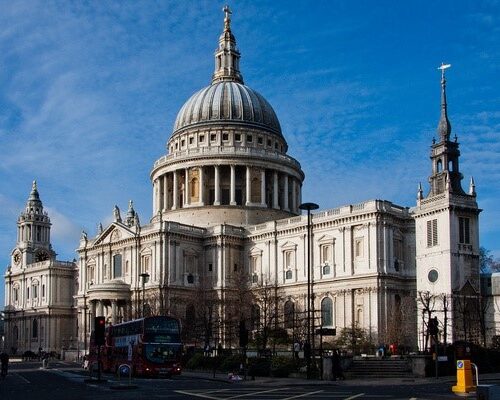
St paul’s Cathedral
St Paul’s Cathedral was the tallest building in London for over two centuries and is still the second largest cathedral in the entire country. This giant Baroque structure was completed in 1710. Before that there had been an impressive cathedral with a wooden roof on the site, but it was destroyed in the Great Fire of London in 1666. St Paul’s Cathedral has been the site for many important events, like the funerals of Admiral Nelson, Winston Churchill and Margaret Thatcher as well as the wedding of Princess Diana. The cathedral is still in active use, but there is an entrance fee for visiting it outside religious events.
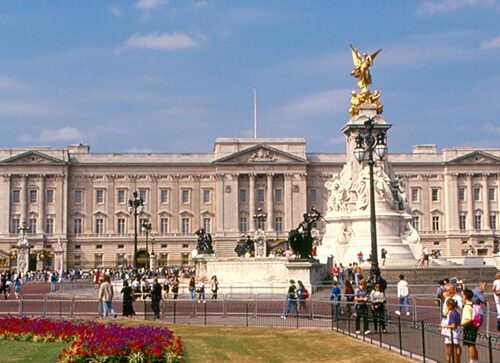
The Buckingham palace
The Buckingham Palace is the home of the royals of the United Kingdom. Since the nineties, the palace has been open for visitors in summers. In the beginning of the 18th century the place was still known as the Buckingham House, but around the middle of the century the estate was bought by the royal family, and during the reign of Queen Victoria it became the home of the British Royalty. The structures of the estate naturally grew much larger during this time. The palace is well known for its legendary guards. These soldiers in their red coats and large bearskin hats are famous for their poker faces. The beautiful Victoria Memorial monument is in front of the palace. Other places close to the attraction are for example the Royal Mew, where the horses are kept, and the palace gardens.
The Tower Bridge
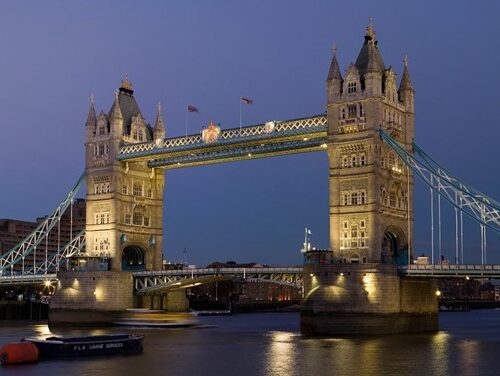
The legendary Tower Bridge, crossing the Thames, might not be the longest of bridges, but it has become one of the most important landmarks in London. The bascule bridge with its two towers is open to both vehicles and pedestrians. The bridge is 244 meters (800 feet) long and the towers are 65 meters (213 feet) tall. The Tower Bridge has both a lower main bridge, as well as two walkways high up between the towers. The lower bridge can be raised to allow tall ships to pass through and continue their way up the Thames. The Tower Bridge also features a gallery that includes the upper walkways and tells about the history of the bridge. It has an entrance fee.
Trafalgar Square
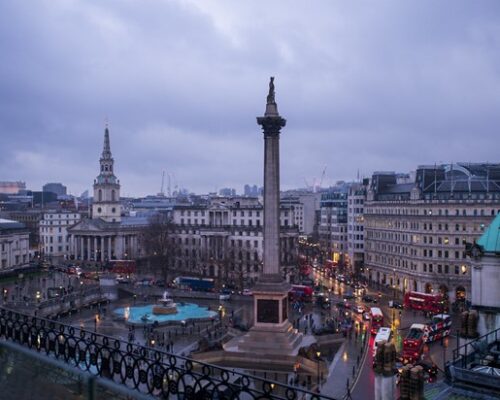
The Trafalgar Square is a legendary plaza in the center of London. For over a hundred years it has served as arena for all sorts of demonstrations, holiday celebrations, sports events, street theater, parades and even the Bloody Sunday in 1887. The most famous landmark in the square is Nelson’s Column. Admiral Nelson died in 1805 during the Battle of Trafalgar, where he crushed the Spanish and French fleets. This battle that ensured British dominance of the seas during the Napoleonic Wars gave the Trafalgar Square its name. The square used to be famous for its feral pigeons, but people are not allowed to feed them anymore.
Monument to the great fire of london
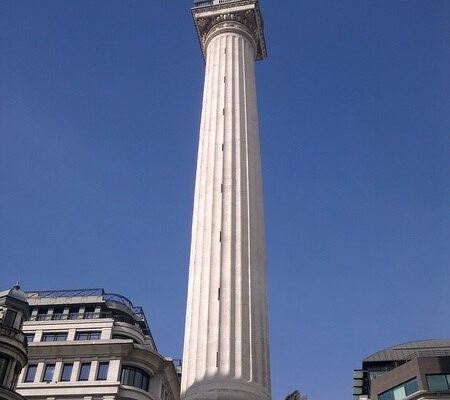
The Monument to the Great Fire of London, or simply The Monument, is a memorial erected to remember the terrible fire in 1666. The tall pillar was completed in 1677 and has functioned as a viewing platform for centuries. While London has gotten far taller buildings over the centuries, this historic structure still has a great panoramic view over the city. The viewing platform of the 62-meter (202 feet) structure can be reached via a spiral staircase.
Recreation
- West End is well known for its theater plays and musicals.
- Open House London Weekend gives visitors a chance to get to know the most interesting buildings in the city. The event is held on the third weekend of September.
- Discover Walks holds guided tours by locals. Discover the secret beauties of the city in good company.
- Soho has a large concentration of pubs, clubs and jazz bars. London’s gay community is also highly active in the area.
Shopping
- Portobello Market, in Notting Hills, offers a lot of antiques, high quality clothes and something special for any taste.
- The name of theOld Spitalfields Market might not be very welcoming, but one shouldn’t hold its name against it. This market in Horner Square sells a wide variety of goods including clothes, LPs and food.
- Harrods, in Knightsbridge, is the largest mall in all of Europe. It offers a lot of expensive goods like perfumes, brand clothing, jewelry and cosmetics.
- New Bond Street, stretching from Oxford Street to Piccadilly, has a lot of fancy design stores, like Cartier, D & G, Kimmy Choo, Louis Vuitton and Versace.
Photos: With the CC licence / CryptoDerk~commonswiki, Tarquin Binary~commonswiki, Mike Peel, Ewan Munro, DrKay, Bernard Gagnon
[adinserter block=”7″]
| Lontoo, Yhdistynyt kuningaskunta |  | 16°C clear sky |
Wind
2 m/s, SSW
Humidity
64%
Pressure
758.31 mmHg | ||
[adinserter block=”12″]
Top 5 in London
- Ride in the London Eye
- The Kew Gardens
- The Tower
- The Tower Bridge
- Having fun in Soho
How to get in London
London has six airports: Heathrow, Gatwick, City, Stansted, Luton and Southend. Heathrow is the largest of the airports, where for example the British Airways operates.
Eurostar operates trains to London from Paris (2h 15 min) and Brussels (1h 50 min). National Rail operates trains within the country. Timetables and prices can be seen here.
Most international buses, as well as those buses coming from outside London, arrive and depart from the Victoria Coach Station at the Buckingham Palace Road in Westminster, close to the London Victoria Rail Station. All the buses of National Express and Eurolines are concentrated in the Victoria Coach Station. Other companies may also use this station, but they might also use the Green Line Coach Station, on the other side of the Buckingham Palace Road.
[adinserter block=”1″]
How to get around in London
London has one of the most comprehensive public transport systems in the world. It is operated by the Transport for London (TfL) and has 11 color coded metro (London Underground) lines, tons of buses and the Overground local train system. A useful guide to the transport system can be found here. Maps and ticket prices can be found on TfL’s homepage.
[adinserter block=”2″]